

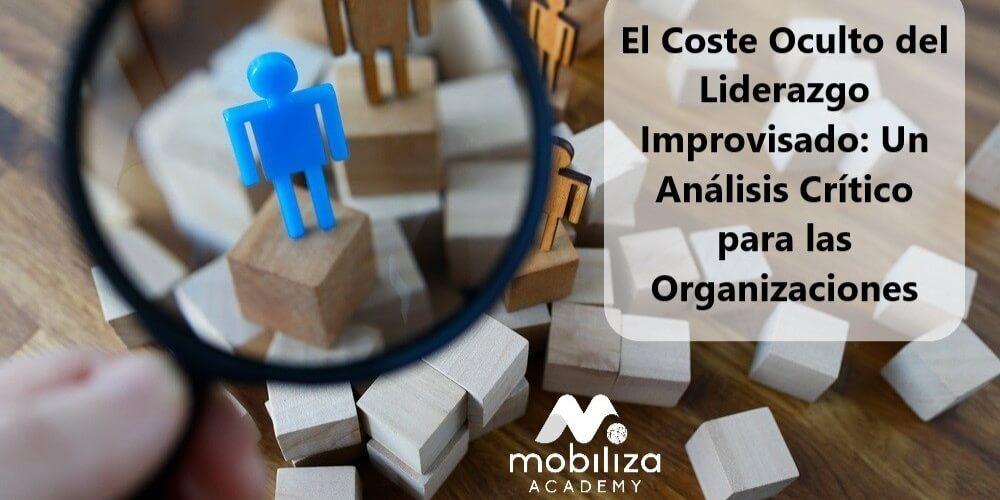
𝐓𝐇𝐄 𝐌𝐈𝐒𝐓𝐀𝐊𝐄 𝐓𝐇𝐀𝐓 𝐔𝐍𝐃𝐄𝐑𝐌𝐈𝐍𝐄𝐒 𝐀𝐆𝐈𝐋𝐄 𝐌𝐀𝐍𝐀𝐆𝐄𝐌𝐄𝐍𝐓: 𝐏𝐫𝐨𝐦𝐨𝐭𝐢𝐧𝐠 𝐚 𝐭𝐞𝐜𝐡𝐧𝐢𝐜𝐚𝐥 𝐞𝐱𝐩𝐞𝐫𝐭 𝐭𝐨 𝐥𝐞𝐚𝐝𝐞𝐫𝐬𝐡𝐢𝐩 𝐰𝐢𝐭𝐡𝐨𝐮𝐭 𝐭𝐡𝐞 𝐧𝐞𝐜𝐞𝐬𝐬𝐚𝐫𝐲 𝐬𝐮𝐩𝐩𝐨𝐫𝐭.
The result? "Accidental leadership" produces 👇 ✨Impostor syndrome in the new leader. ✨A decline in team morale and performance. ✨A measurable increase in turnover and psychological insecurity.
👉 𝐈𝐭 𝐢𝐬 𝐮𝐫𝐠𝐞𝐧𝐭 𝐭𝐨 𝐩𝐫𝐨𝐟𝐞𝐬𝐬𝐢𝐨𝐧𝐚𝐥𝐢𝐳𝐞 𝐭𝐡𝐞 𝐭𝐫𝐚𝐧𝐬𝐢𝐭𝐢𝐨𝐧 𝐨𝐟 𝐭𝐞𝐜𝐡𝐧𝐢𝐜𝐚𝐥 𝐭𝐚𝐥𝐞𝐧𝐭 𝐢𝐧𝐭𝐨 𝐥𝐞𝐚𝐝𝐞𝐫𝐬𝐡𝐢𝐩 𝐫𝐨𝐥𝐞𝐬.
I'd love to hear your opinion in the comments. What has this "accidental leadership" cost your organization?
From my work as an Organizational Mentor and Agile Coach, I regularly see technical staff promoted into leadership positions without adequate support.
This phenomenon is today the most critical dilemma in talent management within Agile environments. This transition, essential for scalability, is handled with improvisation that proves intrinsically costly. This analysis sets out the consequences of this accidental leadership, arguing that only a structured, empathetic approach based on mentoring can turn individual potential into genuine collective effectiveness. It is imperative to professionalize leadership to ensure the sustainability of the business.
Project management and agile methodologies persist in the harmful paradox of promoting technical experts to leadership roles without due support, assuming that their individual competence automatically guarantees people management skills.
The evidence refutes this assumption, generating measurable negative consequences for the organization.
Analysis of the Accidental Leadership Problem
The absence of a structured development plan creates a latent crisis. The new leader often experiences impostor syndrome, and their technical perfectionism hinders delegation. Consequently, team performance and morale decline, fostering an atmosphere of insecurity that negatively impacts productivity and increases talent turnover. Failure to achieve objectives is frequently attributed to these human factors, a risk that is heightened in Agile ecosystems.
The belief that technical expertise is transferable to leadership is a fundamental conceptual error.
Empathy as a Strategic Leadership Competency
Empathy emerges as a crucial strategic competency in this transition, marking a qualitative shift: from individual execution to facilitating collective performance.
An empathetic leader optimizes their team's effectiveness by establishing an environment of psychological safety, communicating strategy clearly, and managing performance through constructive conversations.
The function of leadership lies not in possessing superior knowledge, but in the capacity to energize collective intelligence.
Toward a Structured Leadership Development Model
The solution lies in professionalizing the transition of technical talent through structured mentoring programs.
Inspired by models such as the Spanish medical residency (MIR), these programs must provide a safe development environment, with supervised learning and a progressive assumption of responsibilities. A defined support process, guided by an experienced mentor, equips the new leader with the interpersonal tools essential for effective team management.
Professionalizing technical leadership is a fundamental strategic investment for organizational effectiveness. Beyond improving operational efficiency, it is indispensable for attracting and retaining key talent. It is imperative to abandon the practice of unsupported promotions and to establish robust systems that cultivate conscious, strategic, and human leadership.
Comments (1)
Log in to your Scrum Manager area to comment
Marta Berné ★★
15 Jan 2026 14:05Totally agree with the diagnosis: the problem isn't promoting technical talent, but doing it without designing the transition. Individual competence doesn't turn into collective leadership on its own.
Professionalizing that step shouldn't be a luxury; it's organizational risk management. The alternative isn't neutral: it's paid for in turnover, burnout, and loss of focus.
Muy de acuerdo con el diagnóstico: el problema no es promocionar talento técnico, sino hacerlo sin diseñar la transición. La competencia individual no se convierte sola en liderazgo colectivo.
Profesionalizar ese paso no debería ser un lujo, es gestión del riesgo organizativo. Lo contrario no es neutral: se paga en rotación, desgaste y pérdida de foco.
Automatic translation · View original