

"What would we do without Roberto?" They say it in every meeting as a compliment. And you, who have been here for four years, start to suspect that it's actually a symptom.
Roberto is a worker who has been with the company for more than 20 years. You've been here 4 years, long enough to realize that if Roberto leaves, gets sick, or takes a vacation, nothing seems to work. At first you thought he was perhaps a bit of a workaholic: he put in extra hours without pay, stayed on weekends... he even answered calls outside working hours (even on vacation!). The bosses praised his work. The phrases you heard most in meetings were "What would we do without Roberto?" And then one day Roberto goes on a fairly long sick leave. And everything turns into complete chaos.
You finally confirm what you'd been mulling over for a while: Roberto was the company's hero. The savior and, apparently, the pillar that everything rested on.
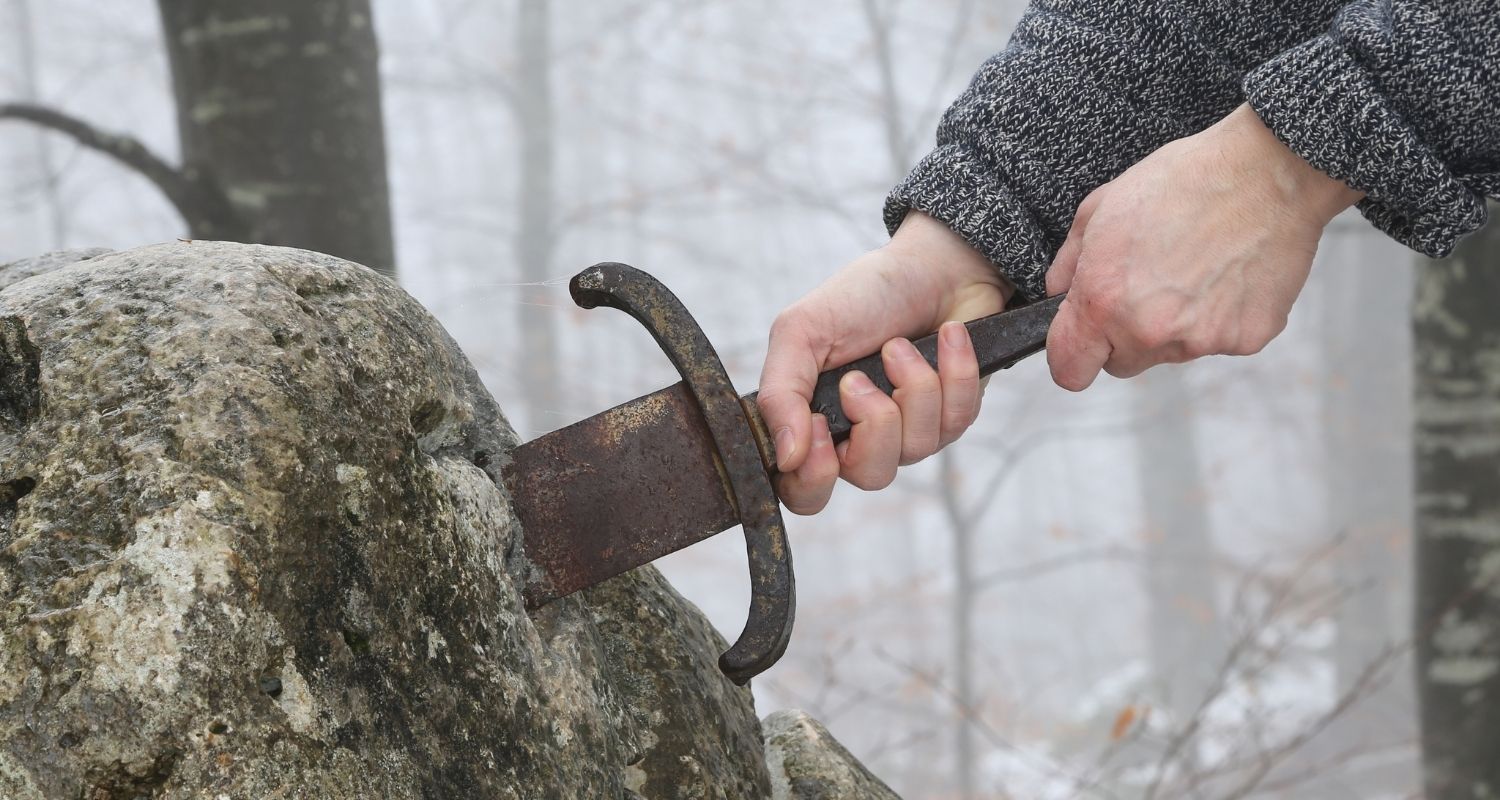
Now imagine that Roberto is the hero who pulled the magic sword from the stone, which lets him amplify his powers: AI. And now imagine that the sword, for whatever reason, breaks, gets lost, or simply disappears. There shouldn't be any problem, right? Roberto knows what he's doing. Or perhaps Roberto has carried the sword for so long that he has forgotten how to fight hand to hand. Maybe Roberto never knew what he was doing and has been depending on the sword's powers from the very beginning.
So now what?
Hero culture is a concept associated with toxic cultures with problems that drag on over time and take root, making them hard to resolve. In this kind of culture, the person who sacrifices themselves and puts out fires is rewarded, instead of preventing fires from starting. It fosters dependence on a few people instead of building resilient, self-organizing teams.
The moment the hero leaves, problems that were never addressed at their root resurface. Until now they had been patched over, probably because it was too much for one person. On top of that comes the demotivation of the rest of the team, who feel undervalued and stalled in their professional growth.
One might think these kinds of attitudes and behaviors belong to another era, but the reality is that there are still organizations that end up depending on a hero. And perhaps, today, they also end up depending on a tool like AI. So a question arises for me: can AI become, no longer the hero's magical artifact, but the hero itself?
Comments (0)
Log in to your Scrum Manager area to comment